
How to Compare Residential, C&I and EV Energy Products in One Portfolio
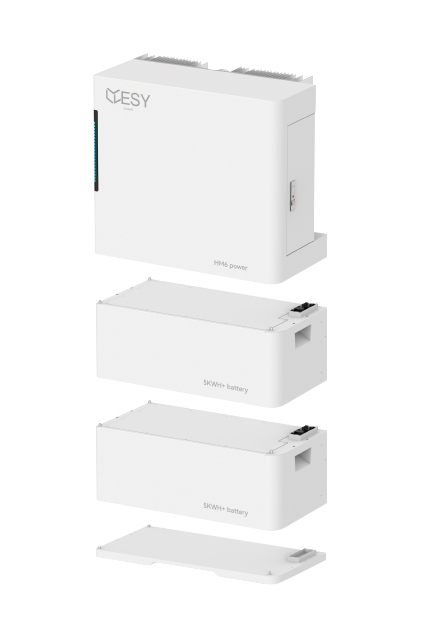
A complete energy portfolio covering residential, C&I, and EV products requires different system designs for different electricity users. Residential storage usually operates at 5–30 kWh with 3–15 kW output, C&I systems commonly range from 100 kWh to multi-MWh scale, while EV charging infrastructure can reach 350 kW per charger. Companies need shared battery platforms, flexible EMS software, and application-specific solutions to serve all three markets efficiently.
Energy companies are increasingly moving from single-product sales toward broader portfolios that include home storage, commercial energy systems, and electric vehicle charging solutions. BloombergNEF reported that global stationary energy storage deployments reached more than 45 GW/100 GWh in 2023, while annual installations are expected to continue growing through 2030 as renewable power adoption increases.
A portfolio approach allows manufacturers to serve different electricity users with shared technologies while adjusting hardware and software for different operating conditions.
Residential, C&I, and EV products are connected through common technologies such as lithium battery cells, battery management systems, inverters, communication protocols, and cloud platforms. However, each segment has different operating requirements. A home battery may cycle once per day to store solar energy, while a factory storage system may operate according to electricity pricing schedules, and an EV charging station may need to manage hundreds of charging sessions every day.
The differences become clearer when comparing typical system specifications:
| Product Type | Typical Capacity | Power Range | Main Application |
|---|---|---|---|
| Residential storage | 5–30 kWh | 3–15 kW | Solar self-use, backup power |
| C&I storage | 100 kWh–10 MWh+ | 50 kW–5 MW+ | Peak demand control, energy management |
| EV charging systems | Battery-assisted or grid-connected | 7–350 kW per charger | Vehicle charging and fleet operation |
Residential products are mainly installed in private homes, where users want simple operation and reliable backup power. According to the U.S. Energy Information Administration, residential electricity consumption in the United States averaged around 886 kWh per month per household in 2022. A battery system between 10 kWh and 20 kWh can cover essential household loads for several hours during an outage.
The residential market also depends heavily on solar adoption. In many regions, rooftop solar systems generate excess electricity during daytime hours, while household demand increases in the evening. Energy storage helps move electricity usage from one period to another.
Residential systems are usually designed around convenience, compact installation, and long service life rather than maximum power output.
Manufacturers developing residential products often focus on modular battery designs. A 5 kWh battery module can be combined into larger systems without changing the overall platform. This approach reduces manufacturing complexity and allows installers to match storage capacity with different household electricity consumption levels.
For example, the ESYsunhome products portfolio includes residential energy solutions designed around battery storage, intelligent energy management, and household electricity optimization. More information about product configurations can be found at ESYsunhome products.
The residential segment also requires strong software integration. Modern systems typically include mobile applications that display solar generation, battery state of charge, electricity consumption, and estimated savings. In 2024, many residential energy platforms introduced automated scheduling functions that adjust battery charging and discharging according to electricity tariffs and weather forecasts.
C&I energy systems operate under different requirements because commercial users consume much larger amounts of electricity. A manufacturing facility, warehouse, or office building may consume hundreds of kilowatt-hours to several megawatt-hours every day.
The main applications include:
| Function | Description |
|---|---|
| Peak demand reduction | Lowering electricity demand during expensive periods |
| Time-of-use optimization | Charging batteries when electricity prices are lower |
| Renewable integration | Increasing solar and wind utilization |
| Backup supply | Maintaining operation during grid interruptions |
Commercial electricity pricing structures often include demand charges based on the highest power consumption recorded during a billing period. In some U.S. states, demand charges can represent 30%–70% of a commercial electricity bill depending on customer type and tariff design.
This creates a different purchasing decision compared with residential storage. Businesses usually evaluate storage systems based on operational performance, expected service life, and financial returns over several years.
A typical C&I battery system may include multiple battery racks, power conversion systems, thermal management equipment, fire protection systems, and an energy management platform. A 1 MWh system can contain hundreds of battery modules and requires more advanced monitoring compared with a home battery.
C&I storage systems are designed for continuous operation, professional maintenance, and integration with existing electrical infrastructure.
Battery safety becomes increasingly important as system size increases. Large installations require monitoring of temperature, voltage difference, current distribution, and abnormal operating conditions. International standards such as UL 9540, UL 9540A, and IEC 62619 are widely referenced for stationary energy storage safety requirements.
The EV energy segment introduces another operating model because electricity demand is connected with transportation. The International Energy Agency reported that global electric car sales exceeded 14 million units in 2023, representing about 18% of total new car sales.
EV charging infrastructure must manage both energy delivery and user availability. Residential EV chargers typically operate at 7–11 kW, while commercial DC fast chargers commonly provide 50–350 kW output. Large charging hubs may require several megawatts of grid capacity.
| Charging Type | Typical Power | Common Location |
|---|---|---|
| AC residential charging | 3.7–11 kW | Homes |
| AC commercial charging | 11–22 kW | Offices, parking areas |
| DC fast charging | 50–350 kW | Highway stations, fleets |
The rapid growth of EV fleets has increased interest in integrated charging and storage systems. A charging station combined with batteries can reduce pressure on the local grid by storing electricity during lower-demand periods and supplying power during charging peaks.
Vehicle-to-grid technology is another developing area. Pilot programs in Europe and North America have tested whether EV batteries can provide electricity back to the grid during specific periods. Since an EV battery pack often ranges from 40 kWh to 100 kWh, thousands of connected vehicles could provide significant distributed storage capacity.
A company managing residential, C&I, and EV products needs a product architecture that balances standardization and customization. Battery cells, communication interfaces, and software platforms can often be shared, while system packaging and control functions must change according to application requirements.
A modular architecture usually includes:
-
Common battery cell platforms
-
Standardized battery management software
-
Flexible inverter configurations
-
Cloud-based monitoring systems
-
Application-specific energy management algorithms
This structure allows manufacturers to reduce development cycles. A battery module originally designed for residential storage may later be adapted for small commercial systems after changes in enclosure design, cooling methods, and control software.
Software platforms are becoming increasingly important across all segments. Residential users need simple energy monitoring, commercial customers require detailed operational reports, and EV operators need charging management tools.
Energy management systems collect information from solar panels, batteries, meters, chargers, and electrical loads. The collected data can be used for:
| Data Function | Application |
|---|---|
| Battery health monitoring | Predict remaining service life |
| Energy scheduling | Adjust charging and discharging periods |
| Fault analysis | Identify abnormal operation |
| Remote service | Reduce maintenance time |
The business models also differ among the three markets. Residential products are commonly sold through installers, distributors, and retail channels. Revenue often comes from equipment sales, installation services, and software subscriptions.
C&I products are usually sold through engineering companies, energy service providers, and direct commercial contracts. Customers may sign multi-year maintenance agreements because system availability affects business operations.
EV products combine equipment sales with charging service revenue. Charging operators may earn income from electricity sales, subscription programs, fleet management services, and grid service participation.
Certification and compliance requirements must also be considered when building a global portfolio. Residential batteries, industrial storage systems, and EV charging equipment follow different standards.
Examples include:
| Standard | Application |
|---|---|
| UL 9540 | Energy storage systems |
| UL 9540A | Thermal runaway testing |
| IEC 62619 | Industrial battery safety |
| IEC 61851 | EV charging systems |
Regional market conditions also influence product design. Countries with frequent power outages may prioritize backup functions, while regions with high electricity prices may focus on energy cost optimization. Areas with strong EV adoption require charging infrastructure with higher power capability.
A unified portfolio allows companies to combine these market opportunities. Residential batteries can become distributed energy resources, C&I systems can support industrial electricity management, and EV charging networks can connect transportation with the power system.
The future energy market will require products that communicate with each other rather than operate separately. Homes, buildings, vehicles, and renewable energy sources will increasingly exchange electricity information through digital platforms.
Companies that develop shared hardware platforms, flexible software systems, and reliable service networks can expand across multiple energy sectors while maintaining product consistency. By comparing residential, C&I, and EV requirements together, manufacturers can design portfolios that support different customers while using common technology foundations.